


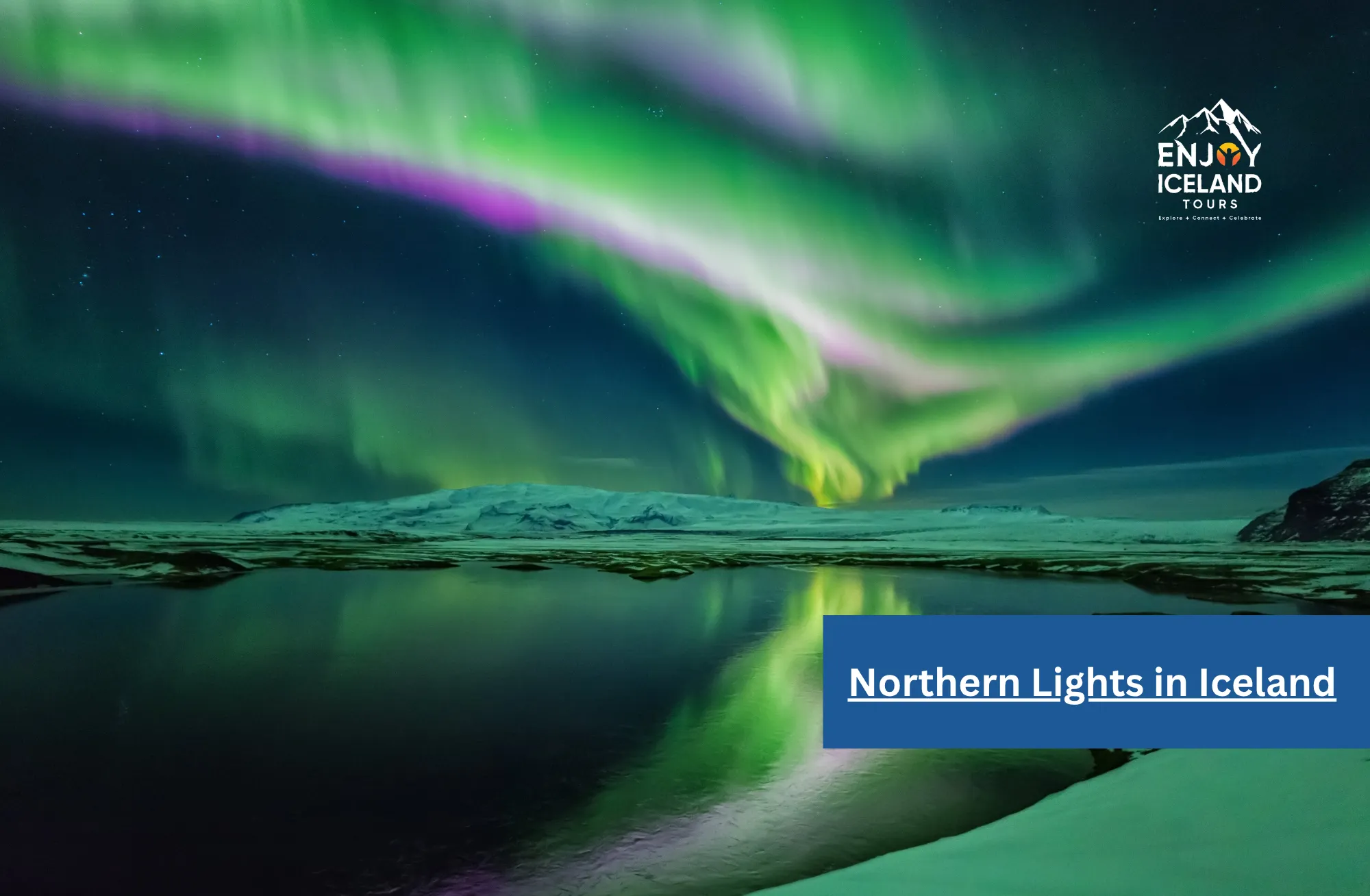
Northern Lights in Iceland: Late August
Northern lights season in Iceland doesn't really have a fixed start date, but late August is generally when the conditions needed to see them return for the first time since spring. The aurora itself is present year round, it's a phenomenon driven by solar activity interacting with the atmosphere, not a seasonal event. What changes throughout the year is darkness, and Iceland simply doesn't get dark enough to see the lights during the bright summer months.
Quick answer: Late August is generally the earliest point in the year when the northern lights become visible again, since Iceland finally gets dark enough at night. Sightings this early tend to be fainter and shorter than the displays you would see from October through February, and they still depend on clear skies and solar activity lining up, so it is worth going in with realistic expectations rather than a guarantee.
By late August, that starts to shift. Nights are getting noticeably longer, and once it's dark enough for a reasonable stretch of hours, and skies are clear, the lights become visible again if solar activity cooperates. It's not a guarantee. Aurora sightings depend on a combination of darkness, clear skies, and actual geomagnetic activity all lining up on the same night, but late August is genuinely the earliest point in the year when all three become possible again.
What to Expect from Late August Aurora Sightings
Worth setting expectations properly here: late August sightings tend to be fainter and shorter than what you'd typically see in the deeper darkness of October through February. If a strong, vivid, memorable aurora display is the goal, autumn and winter give you meaningfully better odds. But if your trip is already set for late August and you'd like a shot at seeing them, it's absolutely possible, just worth going in with realistic expectations rather than assuming a guaranteed show.
Booking a Northern Lights Tour in Late August
A Northern Lights tour in late August works differently than one in December, mostly around timing. Since full darkness arrives later in the evening than it does in winter, tours tend to head out later at night, and the viewing window itself is shorter before the sky starts lightening again toward morning. A private guide who's tracking the forecast that day, rather than running a fixed nightly departure regardless of conditions, gives you a real edge here, since chasing clear skies matters more than almost anything else.
Late August vs September for Northern Lights
If aurora viewing is a priority but your dates are flexible, it's worth knowing that odds improve steadily as autumn goes on. September and October generally offer both darker skies than late August and milder weather than deep winter, which makes them a strong middle ground if you can shift your trip even by a few weeks.
For anyone locked into late August dates, pairing a Northern Lights attempt with a daytime tour makes the most of the trip either way. A Golden Circle or South Coast day covers the landscapes and waterfalls that don't depend on darkness or solar activity, so the trip delivers regardless of whether the aurora shows up that particular night.
Bring warm layers even though it's still technically summer. Nighttime temperatures in late August can drop more than people expect, especially once you're out of the city and away from any wind shelter. Standing around waiting for the sky to do something can get cold fast if you're underdressed.
Frequently Asked Questions
Can you see the northern lights in Iceland in late August?
Yes, it is possible, since late August is generally the earliest point in the year when the sky gets dark enough. Sightings tend to be fainter and shorter than in autumn or winter.
Is late August a reliable time for aurora viewing?
Not as reliable as October through February. Late August offers a first chance at the season, not the best odds of the year.
What do you need for a chance at seeing the aurora in August?
Darkness, clear skies, and solar activity all lining up on the same night. None of these are guaranteed, which is why a guide tracking the forecast makes a real difference.