


Why Iceland Feels Different From Every Other Country
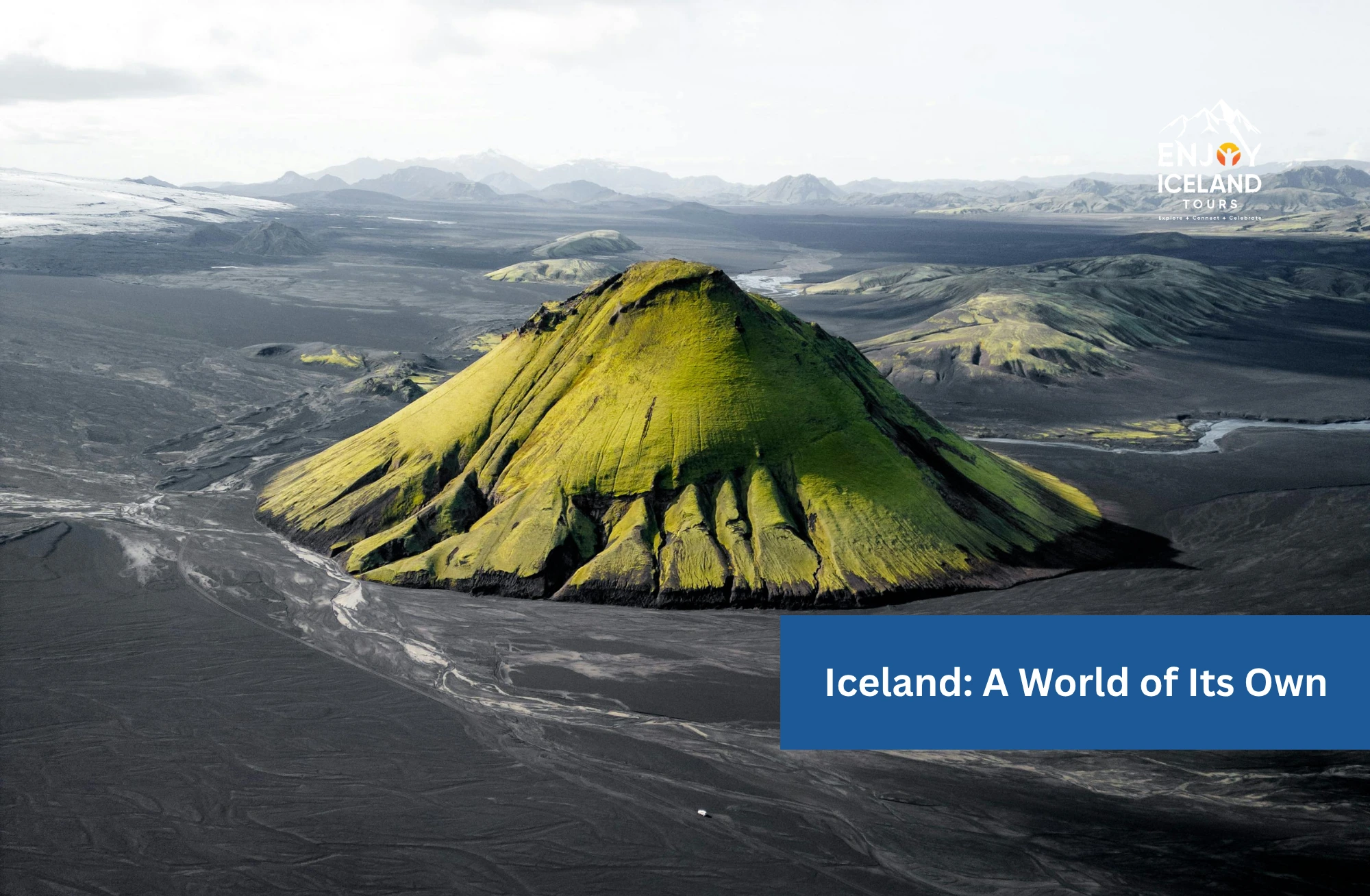
Most places you visit fit somewhere in your mental filing system. A beautiful beach, a historic city, good food, nice people - you catalogue it and move on. Iceland doesn't file neatly anywhere. You hear this from people who've done 40 or 50 countries. Serious travellers, not tourists. And Iceland is the one they bring up differently. Not as a favourite. As something else. Like it didn't sit right in their head the way other places do. That's not a marketing line. That's just what keeps coming up. The Ground Moves Here. Literally. The geology here is not the background. The whole country sits on the Mid-Atlantic Ridge, two tectonic plates dragging apart from each other at around two and a half centimetres every year. Which sounds like nothing. But stand in the rift valley at Thingvellir, and somebody will tell you that the gap beneath your feet has been widening since before most civilisations existed. That lands differently when you're actually standing in it. None of this is staged. There are no guardrails between you and the geology - not the way you'd find in most places. No roped-off sections, no \"do not touch\" signs every three metres. Hot springs just sit there. Lava fields run right up to the road. Mud pools bubble away at the surface like they've got somewhere to be. You can be soaking in geothermally heated water while it's actually snowing on you. Iceland doesn't dress any of this up or manage it for you. It's just there. Take it or leave it. Raufarholshellir is a lava tube, maybe half an hour from Reykjavik. You go inside, and it's a black ceiling, jagged walls, and a cold stone smell that gets into your jacket. People walk through it pretty quietly. It doesn't feel like a day trip. It feels like you found something you weren't supposed to.
It's Far Less Crowded Than the Internet Suggests
Here's something the Instagram version of Iceland won't tell you: most visitors stick to a very small corridor. The Golden Circle, the South Coast, the Blue Lagoon. That's genuinely fine - those places are popular for reasons. But the moment you drive the Westfjords or push up into the Highlands when the F-roads open in late June, you enter an entirely different country. The Westfjords. Most people skip them entirely, and honestly, you can see why - it adds driving time, the roads aren't always easy, and there's no obvious single thing to go there for. But that's sort of the whole point. Fjords cutting hard into the coast, valleys where almost nobody lives anymore, and puffin colonies that don't have queues in front of them. People who do make the drive tend to talk about it in a way they don't talk about the Golden Circle. Quieter about it, somehow.
The Culture Isn't Separate From the Landscape
In most countries, you visit nature and then you visit culture. They're different days and different modes. Iceland doesn't work that way. The landscape shaped everything: the language, the stories, and the social habits. The sagas - Iceland's medieval literature - weren't written about kings in castles. They were about farmers, feuds, and people making hard decisions in landscapes that looked exactly like what you're driving through right now. When the Althingi first gathered at Thingvellir around 930 AD, nobody built anything for it. They picked that spot because a crack in the earth happened to create a natural chamber where a speaker's voice carried far. The land was already doing the work. That's the whole thing about Iceland in one detail. The land was the infrastructure. Icelandic culture and nature remain tangled in the same way today. The country's swimming pools - and nearly every town has one - are fed by geothermal water and function as the genuine social centre of community life. Not a leisure facility. The place where people talk, argue, sit in silence, and recover from a long week. Visiting a local pool in a small town, somewhere like Hofsos in the Skagafjordur, tells you more about how Icelanders actually live than any museum walking tour would.
Practical Things Worth Knowing Before You Go
Rent a 4WD if you have any ambition beyond the Ring Road. F-roads, which lead into the Highlands, are legally off-limits to regular rental cars, and the terrain makes clear why. Don't assume you'll improvise this on arrival - the vehicle category matters. The Northern Lights are not guaranteed, ever. The best window is late August through March, when nights are dark enough. People treat this like a booking problem, and it isn't. The darkness is there from late August through March - that part's reliable. But whether you actually see anything on a specific night is entirely down to cloud cover and solar activity. These don't care about your itinerary. Two nights in the forecast window, no fixed expectations, genuine willingness to sit in a cold field and maybe see nothing - that's the move. The people who go in demanding a specific experience tend to go home disappointed. The ones who look closely tend to see something. Pack layers you can actually rely on. Waterproof outer layer, merino mid-layer, and don't bring anything that can't survive an unexpected horizontal rain shower at noon on what looked like a clear day.
Why Shoulder Season Deserves More Attention
June and July get the crowds. September gets the light. September gets underrated because people associate the Icelandic summer with June and July. But late summer into early autumn, the wildflowers are hanging on, the roads are still open, accommodation costs noticeably less, and the nights are dark enough that Northern Lights become possible again. Days are still long. The crowds have thinned. It's a different trip and, for a lot of people, a better one. The unique things about Iceland - the stillness, the scale, the sense of having a landscape mostly to yourself - are easier to actually feel when you're not sharing a car park with tour buses. May works similarly. Snow still sits on the higher peaks, the roads are opening back up, and the tourist infrastructure is running before peak demand hits.
One Last Thought
Why visit Iceland?
Not for the checklist. Not to tick off a geyser and a waterfall and call it done. Because for a few days, or a week, or however long you give it, Iceland makes you pay attention in a way that most travel doesn't demand. The team at Enjoy Iceland Tours builds private itineraries for exactly these routes - going beyond the obvious, timed for the right seasons, and tailored to what you actually want from the trip rather than what fits a group schedule. If you're planning a visit, it's worth a conversation before you book anything standard.
FAQs
Why does Iceland feel different from other countries?
Iceland combines volcanoes, glaciers, waterfalls, and black sand beaches in one place, giving the country a landscape that feels completely unique.
Why is Iceland's nature so famous?
The scenery changes constantly - one drive can take you past lava fields, icy mountains, coastal cliffs, and geothermal hot springs within a few hours.
Why do travellers find Iceland peaceful?
Outside of Reykjavik, Iceland feels quiet and uncrowded, with open landscapes and very little noise or traffic.