


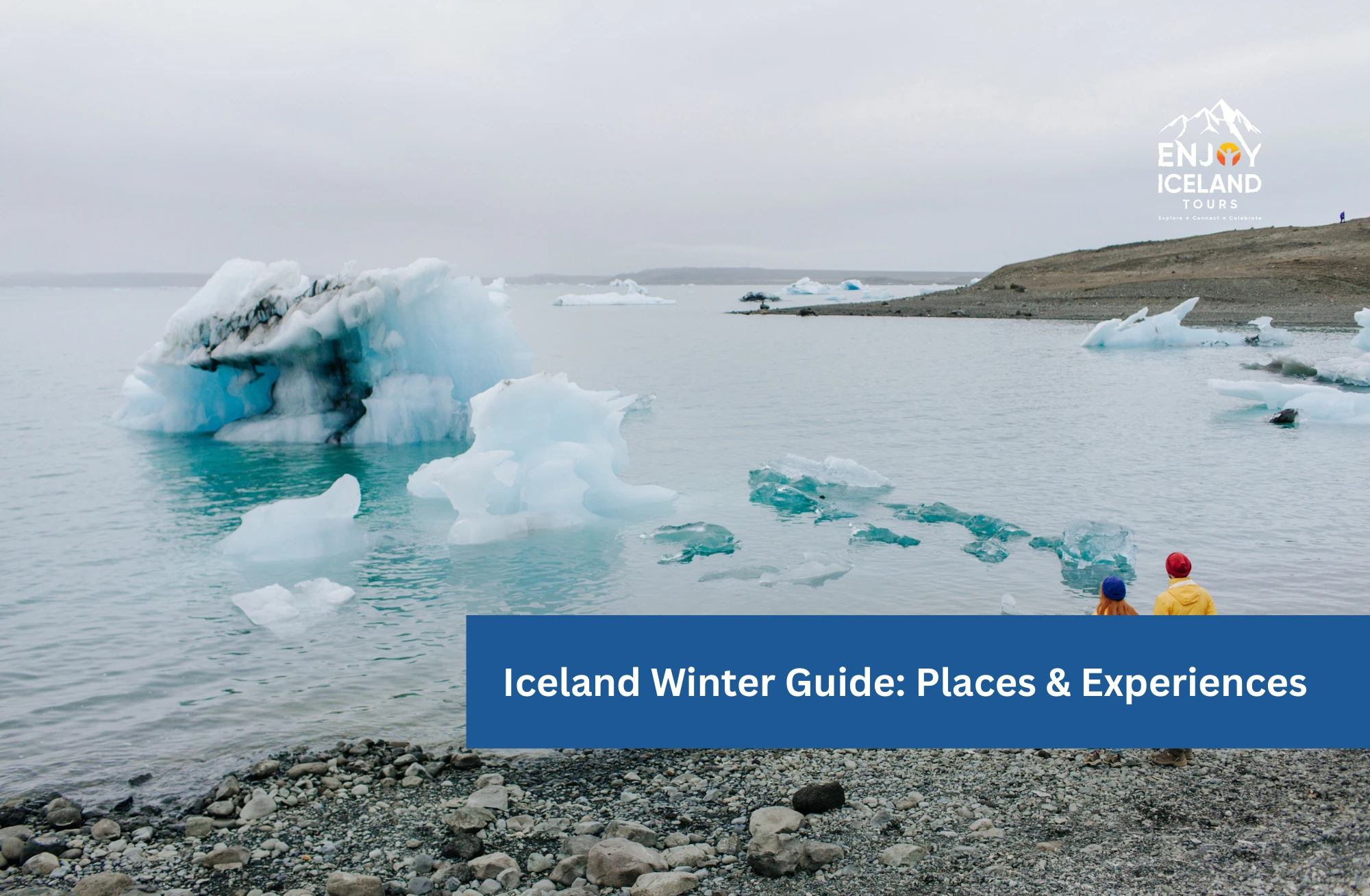
What to Do and Where to Go During Iceland Winter Tours 2026
The 2025-2026 winter season also coincides with elevated solar activity, increasing potential Northern Lights intensity-but visibility remains weather-dependent and never guaranteed.
This guide focuses on what is worth prioritising in winter, which activities or regions suit each activity or region best, and how to plan days that remain safe, flexible, and rewarding under winter constraints.
Best Winter Activities in Iceland 2026 (Who They're Best For)
Northern Lights Tours (Best for First-Time Winter Visitors)
Northern Lights viewing is one of the strongest reasons to travel in winter, but it is inherently uncertain.
Solar activity context (clarified):
The sun follows a ~11-year solar cycle. The 2025-2026 period falls near a solar maximum, meaning auroral activity can be stronger and more frequent. However:
- Solar activity does not guarantee visibility
- Cloud cover, geomagnetic conditions, and darkness remain decisive
- Some nights produce no visible aurora at all
Why guided tours work better in winter:
- Real-time cloud and aurora tracking
- Ability to reroute on short notice
- Reduced pressure to \"force\" a sighting from one location
Best suited for travellers who want flexibility and realistic expectations rather than certainty.
Ice Cave Tours (Best for Photographers and Seasonal Travellers)
Ice caves are accessible only during winter when glacial structures stabilise.
Key winter logic:
- Conditions vary weekly; caves open and close dynamically
- Certified guides determine daily access based on ice safety
Main regions (consolidated):
- Vatnajokull area:Deeper blues, longer travel day
- Katla (South Coast):More accessible from Reykjavik
Best for travellers prioritising rare, time-limited experiences that are impossible in summer.
Glacier Trekking & Snowmobiling (Best for Active Travellers)
These activities provide structure on days when the weather limits long sightseeing routes.
Winter trade-offs:
- Requires physical readiness and layered clothing
- Weather can cancel departures on short notice
Best used as anchor activities within a flexible itinerary rather than fixed commitments on consecutive days.
Geothermal Lagoons (Best for Recovery and Weather Buffers)
Hot lagoons are particularly valuable in winter because they:
- Function regardless of snowfall or wind
- Offer physical recovery between cold days
Examples:Blue Lagoon, Sky Lagoon
Best scheduled on poor-weather or arrival/departure days.
Winter Whale Watching (Best for Low-Crowd Seekers)
Winter tours operate with fewer passengers.
Realistic expectations:
- Sightings are possible but less predictable than in the summer
- Sea conditions may cause cancellations
Best for travellers comfortable with uncertainty and flexible schedules.
Best Places to Visit in Iceland in Winter 2026
Golden Circle (Best for Short-Daylight Windows)
Compact distances make this route reliable even with 4-6 hours of daylight.
Why it works in winter:
- Minimal driving between sites
- Accessible roads are maintained year-round
Ideal for winter first-timers and short stays.
South Coast (Up to Vik) - Consolidated Region
Includes waterfalls, black sand beaches, and glacial features in one corridor.
Winter constraints:
- Distances increase quickly beyond Vik
- Wind and road closures are common
Best visited as one focused day trip, not broken into multiple overlapping sections.
Snaefellsnes Peninsula (Best for Clear-Weather Days)
Offers variety-coastlines, mountains, villages-but requires:
- Stable weather
- Early start due to longer driving distances
Best scheduled after checking forecasts rather than fixed early in the itinerary.
Jokulsarlon & Diamond Beach (Conditional Winter Destination)
Visually striking, but:
- Long winter drive from Reykjavik
- High exposure to road closures
Best for travellers on multi-day routes or those accepting a higher weather risk.
Winter Planning Logic That Actually Works
Daylight-Based Scheduling
- January-February: ~4-6 hours usable daylight
- Prioritise one major region per day
- Avoid chaining long-distance stops
Weather Contingency Planning
- Build buffer days
- Treat Northern Lights and whale tours as \"attempts,\" not guarantees
- Always maintain a low-risk fallback (city, lagoon, museum)
Tour vs. Self-Drive Trade-Offs
Factor
Guided Tours
Self-Drive
Road Risk
Lower
Higher
Flexibility
Medium-High
Variable
Stress Load
Low
High in storms
Local Insight
High
Limited
In winter, guided travel often reduces cumulative risk rather than limiting independence.
FAQ
Is winter suitable for slow-paced travellers?
+
Yes, if days are limited to one region and buffer time is built in.
Does higher solar activity mean auroras every night?
+ No. It increases potential intensity, not visibility.
Is the South Coast always safe in winter?
+ No. Wind and road closures can affect even popular routes.
How many activities should be planned per day?
+ One primary objective is ideal in mid-winter.
Conclusion: A Practical Winter Travel Framework
Successful winter travel in Iceland prioritises flexibility over coverage, safety over speed, and conditions over checklists. The strongest winter itineraries:
- Respect daylight limits
- Adapt daily to the weather.
- Concentrate distance
- Accept variability as part of the experience.
When planned this way, the 2025-2026 winter season offers not certainty, but some of Iceland's most distinctive and rewarding conditions.