


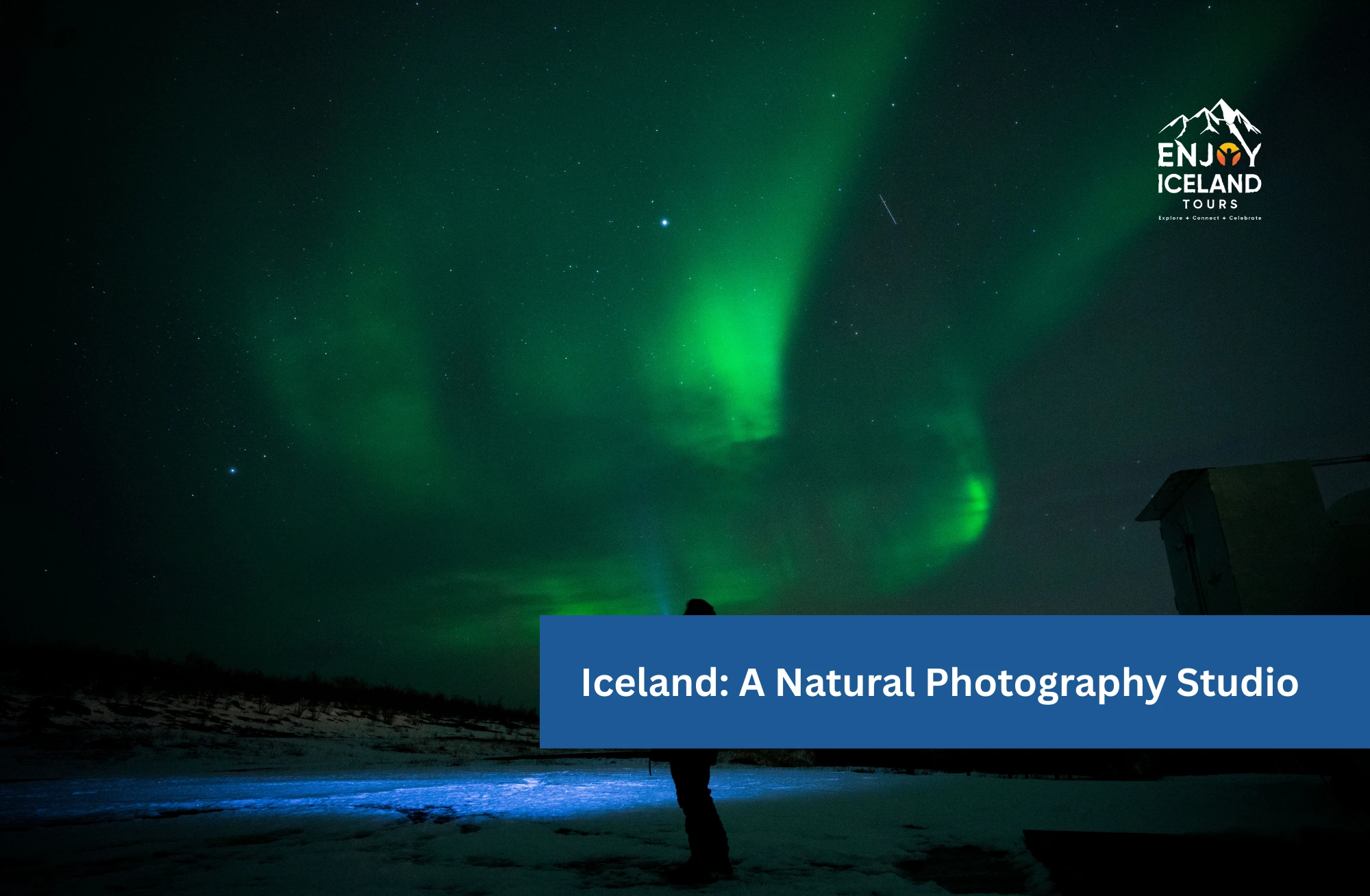
Iceland - The World's Best Natural Studio for Photography
I. Best Months to Photograph the Northern Lights in Iceland
Iceland's Northern Lights season runs from late September to early April, when nights are long enough for aurora visibility. A stay of at least seven days is ideal, and clear skies are just as important as solar activity.
Optimal Months for Northern Lights Photography
-
Deep Winter (November-January)
-
Only 4-7 hours of daylight = longest viewing window.
-
Perfect for pairing with ice-caving tours in Vatnajokull (winter-only).
-
Shoulder Seasons (September & March)
-
Milder weather and fewer crowds.
-
Solar equinoxes bring stronger geomagnetic activity, enhancing aurora intensity.
-
April
-
Only visit in the first half; increasing daylight reduces visibility.
II. Best Time of Night for Northern Lights Photography
-
Prime Viewing Hours: 9 PM-3 AM
-
During periods of strong solar activity, auroras may appear earlier and last longer.
-
Check the Icelandic Meteorological Office for real-time aurora and cloud forecasts.
III. Best Places for Northern Lights Photography
-
Thingvellir National Park (Golden Circle)
-
45 minutes from Reykjavik, a certified Dark Sky Park.
-
Rift Valley landscapes provide striking foreground compositions.
-
Vik & South Coast
-
Key spots: Reynisfjara Black Sand Beach, Dyrholaey arch, basalt columns, and sea stacks.
-
Jokulsarlon Glacier Lagoon & Diamond Beach
-
Top aurora location with floating blue icebergs and black sand for dramatic contrast.
-
Snaefellsnes Peninsula (Kirkjufell)
-
Iconic Kirkjufell peak provides unforgettable silhouettes under the aurora.
IV. Essential Northern Lights Photography Tips
Capturing the aurora requires planning, patience, and proper gear.
Non-Negotiable Gear
-
Sturdy Tripod: Prevents blur from long exposures.
-
Camera: DSLR or mirrorless with full manual control.
-
Lens: Wide-angle (12-24 mm equivalent) with fast aperture (f/2.8 or wider).
-
Batteries: Cold drains power quickly; keep spares warm.
-
Remote Shutter Release: Avoids camera shake.
Manual Camera Settings ("Aurora Recipe")
-
Focus: Manual focus set to infinity; before full darkness, focus on a distant light or landmark. Use Live View to sharpen focus on the brightest star.
-
Aperture: f/2.8-f/1.4.
-
ISO: Start 1600-3200; adjust lower for bright auroras, higher (up to 6400) if faint.
-
Shutter Speed: 2-5 seconds for fast aurora; 8-15 seconds for faint lights.
-
White Balance: 3500K-4000K; avoid Auto WB.
Composition Tips
Include foreground elements-Kirkjufell, an
iceberg, or a silhouette-to provide scale, depth, and context.
V. Choosing the Best Northern Lights Tour in Iceland
Why Take a Guided Tour?
-
Real-time aurora and weather forecasts improve viewing chances.
-
Private tours avoid crowds and provide personalized experiences.
Premium Private Northern Lights Tour
-
Luxury vehicles for 2-8 guests with Wi-Fi.
-
Guides adjust routes in real time for optimal skies.
-
Photographer-friendly: flexible stops, framing advice, and uninterrupted long exposures.
Season & Trust Factor
-
Operates September-April.
-
2,000+ five-star reviews with transparent pricing.
FAQ
Conclusion
Iceland offers unparalleled opportunities for Northern Lights photography. With proper timing, gear, and technique, you can capture stunning auroras over dramatic landscapes. Using guided tours with real-time weather updates and flexible stops ensures a safe, productive, and unforgettable aurora photography experience.