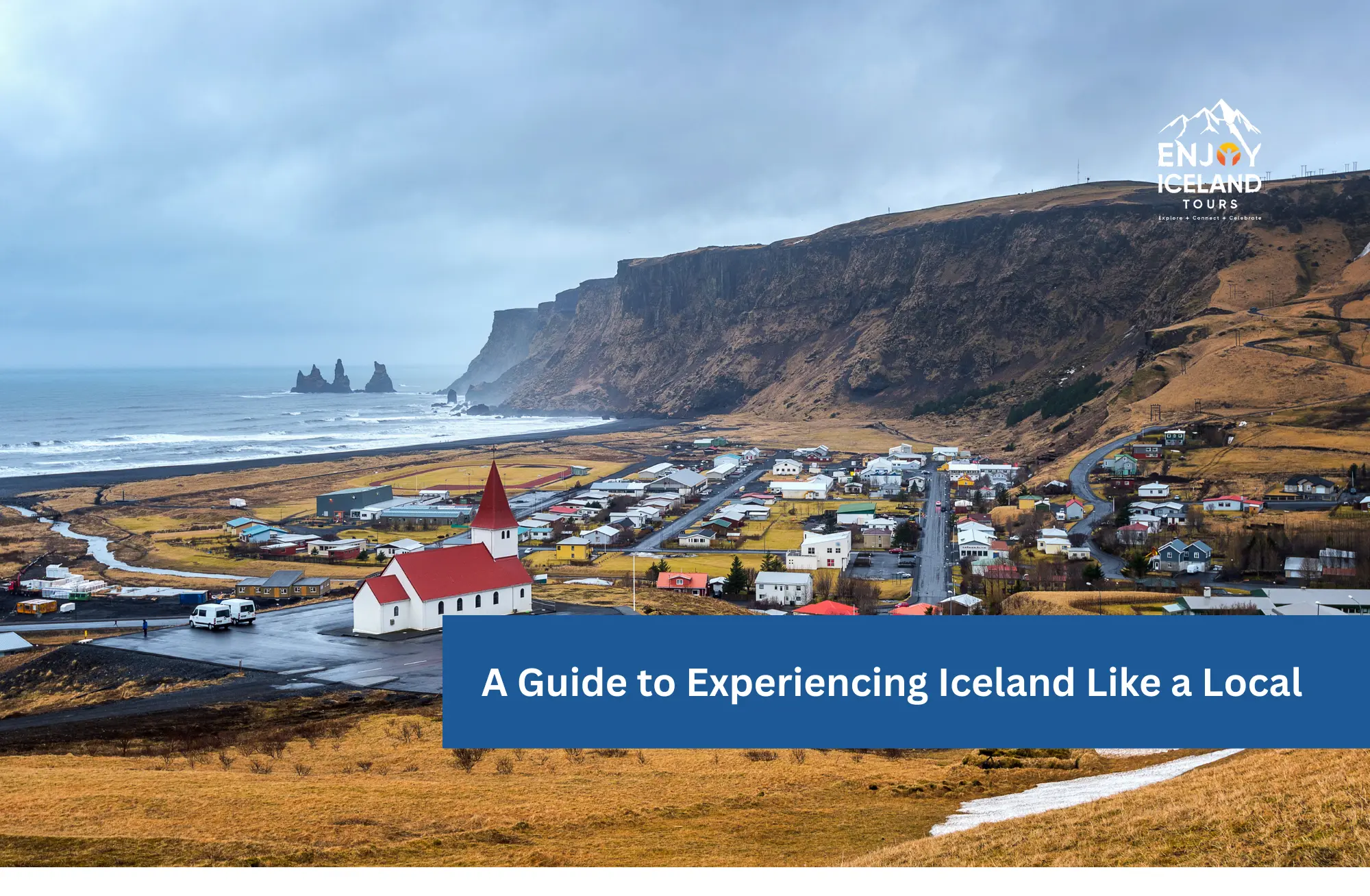
A Guide to Experiencing Iceland Like a Local
Iceland is often seen as a destination for dramatic landscapes and bucket-list sights. But to truly understand the country, you have to look beyond sightseeing and step into everyday Icelandic life.
I. Introduction: More Than Just SightseeingIceland is often seen as a destination for dramatic landscapes and bucket-list sights. But to truly understand the country, you have to look beyond sightseeing and step into everyday Icelandic life.Experiencing Iceland like a local means:Spending time at each attraction rather than rushing from one place to the next.
Listening to stories that reflect people's relationship with the land.
Seeking connection and understanding rather than simply being guided.
This \"local\" mindset is rooted in family-run travel traditions. When journeys are shaped by people who have grown up with the land, they tend to feel reflective and grounded. One of the most authentic ways to understand the Land of Fire and Ice is through the stories and perspectives of the people who live there.II. The \"Heitir Pottar\" (Hot Tub) CultureIn Iceland, hot tubs are a regular part of daily life rather than a luxury. Throughout the year, locals visit geothermal tubs and swimming pools to relax and socialise.These spaces function as:Gathering places where people engage in open conversation.
Shared environments for relaxation and community bonding.
Informal neighbourhood meeting points for friends and neighbours.
While the Blue Lagoon is internationally known, many locals prefer quieter geothermal settings. Places such as Sky Lagoon and Hvammsvik are often valued for their calmer atmosphere, natural surroundings, and distance from large crowds. These experiences can be included in customised private tours for travellers seeking a slower pace.Before entering any pool, visitors are expected to follow one important custom. Showering without swimwear is a long-standing cultural practice in Iceland, reflecting a strong emphasis on hygiene and respect for shared spaces.III. Savouring the Flavours of the NorthIcelandic cuisine is simple, nourishing, and shaped by centuries of adaptation to the environment. Food traditions tell a story of practicality, creativity, and resilience.Everyday Icelandic meals commonly include:Free-roaming lamb prepared using traditional methods.
Warm, comforting lamb soup, especially popular during winter.
Fresh dairy products and locally sourced ingredients.
Some traditions are more adventurous. During Thorrablot, a midwinter festival, Icelanders honour preserved foods such as fermented shark and sheep's head. These dishes are not part of daily meals but provide insight into cultural practices shaped by survival and seasonality.One modern habit often surprises visitors: ice cream is enjoyed year-round in Iceland. Even during winter, ice cream shops remain popular, highlighting how local customs do not always align with the weather.IV. Traditions and SuperstitionsNature plays a central role in Icelandic identity, and this respect is reflected in local traditions and folklore.In Iceland, stories of elves and trolls-known as Huldufolk-are part of cultural heritage and traditional belief systems rather than literal claims. In some cases:Roads have been planned or adjusted out of respect for folklore-linked sites.
Certain natural landmarks are treated with additional care.
These traditions reinforce a broader cultural respect for the land.Winter folklore includes the 13 Yule Lads, mischievous figures who visit children in the days leading up to Christmas. Each has a distinct personality, adding humour and storytelling to the darker winter season.Even Icelandic naming traditions reflect cultural uniqueness. Instead of family surnames, Icelanders use:-son, meaning \"son of.\"
-dottir, meaning \"daughter of.\"
This system emphasises individual identity and lineage rather than family hierarchy.V. \"Slow Travel\" Like an IcelanderLife in Iceland often follows a calm, intentional rhythm, and travel experiences tend to feel more rewarding when they mirror this pace.Slow travel allows:Visits to well-known sites outside peak hours.
Less time in crowds and more time immersed in nature.
Opportunities to absorb surroundings without rushing.
Travellers benefit from flexible private itineraries by being able to:Spend additional time at lesser-known natural sites.
Make spontaneous scenic stops.
Enjoy quiet, unplanned moments that often become the most memorable.
These experiences are enhanced by knowledgeable local guides. Their understanding of Iceland's history, geography, and climate adds reassurance and depth, helping transform a trip into a thoughtful and immersive journey.FAQs: Experiencing Iceland Like a LocalWhat does it mean to experience Iceland like a local?
It focuses on slow travel, cultural exchange, and engaging with everyday Icelandic traditions rather than rushed sightseeing.Are private tours suitable for a local-style experience?
Yes, private tours allow for flexible pacing, deeper conversations with guides, and fewer crowds.Can geothermal experiences be included in custom tours?
Authentic geothermal locations such as Sky Lagoon and Hvammsvik can be included in customised itineraries.Is the shower rule at pools really non-negotiable?
Yes, this rule applies to everyone using geothermal pools and baths.Is Icelandic food approachable for visitors?
Yes, travellers can choose from familiar comfort foods to more traditional dishes, depending on their preferences.VI. ConclusionResilience, community, and a deep respect for nature are central to Icelandic life. These values appear in shared hot tubs, traditional stories, unhurried mornings, and strong local connections.Seen through a local perspective, Iceland feels less like a destination and more like a place of belonging. With thoughtful planning and local insight, a journey through Iceland becomes more than a visit-it becomes a place to feel at home.