


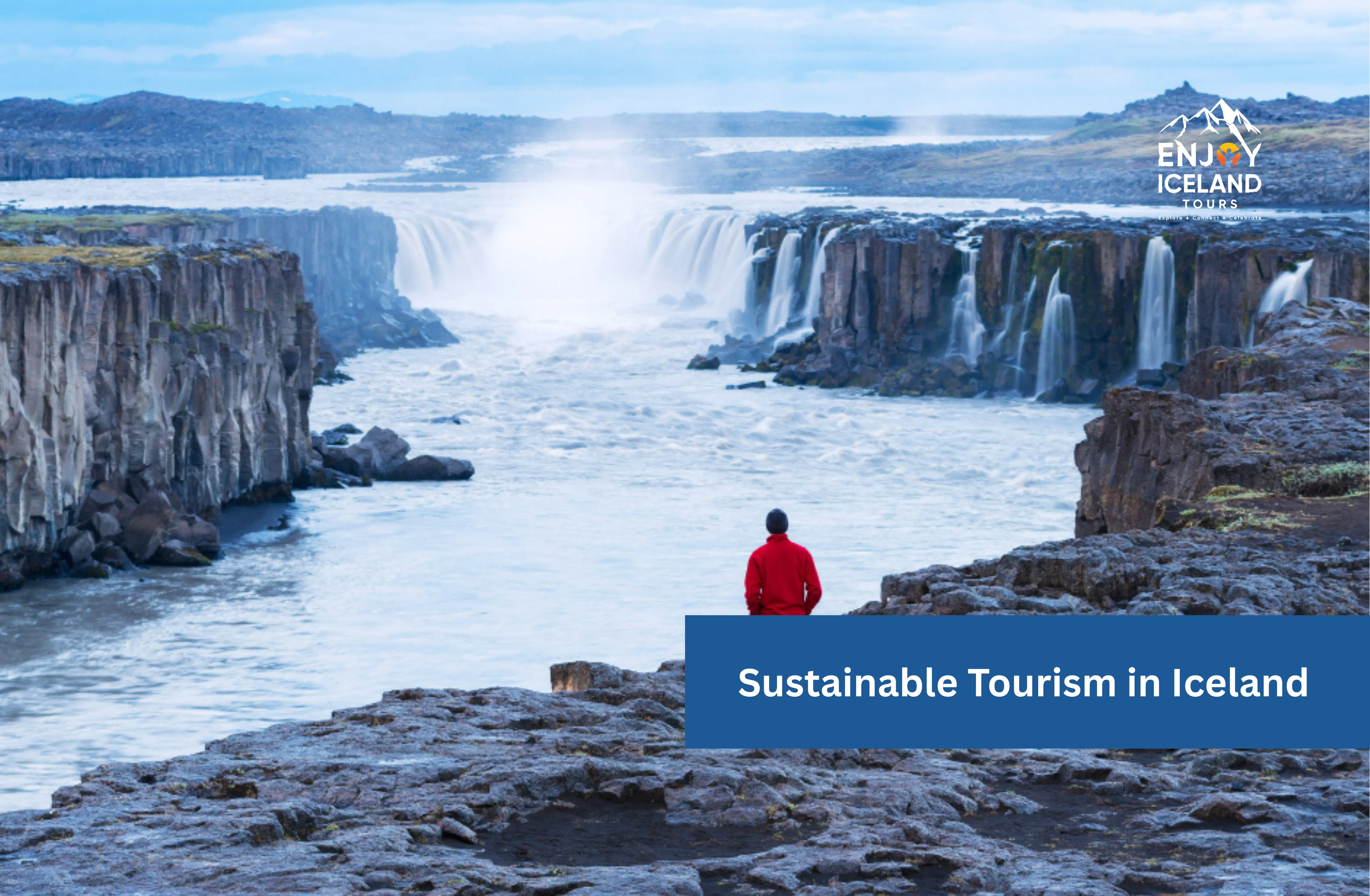
Sustainable Tourism in Iceland: Guide: Eco-Friendly Travel
In short, sustainable tourism in Iceland means exploring the country in a clean, safe, and eco-friendly way. If you want to know the best part, here it is. Iceland already runs on renewable energy, has pure drinking water, and offers many eco-friendly choices for visitors.
7 simple ways to enjoy Iceland responsibly and still have an amazing trip:
1. Choose Electric or Low-Emission Vehicles
One of the best ways to support eco tourism in Iceland is by reducing carbon emissions. Renting an electric car (EV) or a low-emission vehicle is a smart choice-especially since Iceland has charging stations along the Golden Circle, South Coast, and Ring Road.
Why choose an EV in Iceland?Less pollutionQuiet and smooth driveSaves fuel costsKeeps Iceland's air cleanPerfect for long road tripsAccording to Wikipedia, the Icelandic government has also funded the development of fast charging stations around the country, to enable travel around the island.2. Drink Iceland's Pure Tap Water and Cut Out Plastic WasteIceland's tap water comes straight from glaciers and natural springs. It is fresh, clean, and completely safe to drink.Bring a reusable water bottle and use it throughout your trip. This simple habit:Reduces plastic wasteSaves you moneySupports sustainable travelAccording to a paper published by the International Journal of Hygiene and Environmental Health .The results show that drinking compliance was 99.97% in health-related chemicals and 99.44% in indicator parameters indicating that Icelandic groundwater abstracted for drinking water supply is generally of high quality with no expected health risks. In 10 water supply systems, of the 74 tested, there was an indication of anthropogenic chemical pollution, either at the source or in the network, and in another 6 water supplies there was a need to improve the water intake to prevent surface water intrusion.3. Eat Sustainably and Support Local Icelandic FoodIceland's food is more eco-friendly than most people expect. Many vegetables grow in geothermal greenhouses, powered by natural heat from the Earth.Eco-friendly Icelandic food to try:Fish that is fresh and caught in a responsible wayLocal dairy productsGeothermal-grown tomatoes and vegetablesHomemade bread and pastriesAccording to a paper published by Research Portal, more than two-thirds of consumers regarded supporting the local farmer and considerations such as environmentally friendly production, fewer food miles, and a lower carbon footprint as important. Eating local reduces food transport emissions and supports small Icelandic farms.4. Shop Eco-Friendly or Local SouvenirsChoose souvenirs that are meaningful, locally made, and gentle on nature. Skip mass-produced items.Good eco-friendly options:Wool sweaters (lopapeysa)Handmade soapsLava stone jewelryRecycled or upcycled craftsLocally made art and decorBuying local supports Icelandic vendors and reduces environmental impact by lowering the carbon footprint.5. Choose Eco-Certified or Low-Carbon HotelsMost hotels in Iceland already use geothermal and hydropower energy, but some go even further with green practices.Look for stays that:Use 100% renewable energyHave refill water stationsOffer recycling programsUse eco-friendly toiletriesSupport local communitiesReduce water and electricity waste.Eco-friendly hotels let you enjoy Iceland while keeping your carbon footprint low.6. Respect Iceland's Fragile LandscapeIceland's nature is beautiful but delicate. Moss, volcanic sand, and geothermal areas can be easily damaged.Follow these rules:Stay on the paths that are markedNever drive off-roadDon't disturb animals or birds.Carry your trash with you.Follow safety signs near cliffs, waterfalls, and hot springs.Respecting nature helps preserve Iceland for future generations.7. Choose Low-Impact Activities (Fun + Eco-Friendly!)Eco-tourism doesn't mean giving up excitement. You can still enjoy amazing adventures in Iceland that don't harm the environment. Enjoy Iceland Tours offers options that can support eco-tourism activities.Best low-impact activities in Iceland:Hiking on marked trailsWhale watching with responsible operatorsHorse riding with Icelandic horsesVisiting geothermal hot springsGlacier walking with a certified guideKayaking in fjordsBird watching in natural reservesThese activities are fun, safe, and gentle on Iceland's nature.FAQs: Ecotourism in IcelandQ: Is eco tourism in Iceland easy for travelers?+A: Yes, Iceland makes sustainable travel simple with EVs, renewable energy, and eco-friendly choices everywhere.
Q: Can I drink tap water in Iceland?
+ A: Absolutely-tap water is pure, fresh, and safe across the entire country.
Q: Are eco-friendly hotels common in Iceland?
+ A: Yes, most hotels run on renewable energy, and many offer extra green features.
Q: What are the best low-impact activities in Iceland?
+ A: Hiking, whale watching, glacierwalks, geothermal pools, horse riding, and kayaking.
Q: How can I avoid damaging Iceland's nature?
+ A: Stay on marked paths, never drive off-road, and leave no trash behind.
Q: Is eating local food more eco-friendly?
+ A: Yes, local food supports Icelandic farmers and reduces carbon emissions.
Q: Should I carry a reusable bottle in Iceland?
+ A: Yes, because tap water is clean everywhere, so refilling is easy.
Conclusion
Iceland's ecotourism isn't just a trend; it's the best way to see the country's waterfalls, volcanoes, glaciers, and Northern Lights without hurting them. Iceland rewards you with beautiful scenery, clean air, and memories that will last a lifetime when you travel responsibly.
Travellers looking for sustainable, eco-friendly tours in Iceland can consider options such as Enjoy Iceland Tours, which offer nature-conscious itineraries.
Plan Your Private Tour Today!